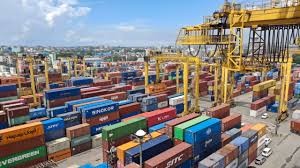
Executive Summary: Bangladesh is experiencing a transformative period in international trade with new agreements opening unprecedented market access. From ASEAN partnerships to Middle East collaborations, exporters now have strategic opportunities to diversify markets, reduce costs, and drive sustainable growth in the post-LDC era.
Introduction
Bangladesh is experiencing a transformative period in its international trade landscape. With several new trade agreements coming into effect and negotiations underway with major economic blocs, Bangladeshi exporters are poised to access unprecedented global market opportunities.
This surge in trade partnerships not only promises enhanced market access but also signals a new era of economic growth and diversification for the nation's export sector. As Bangladesh transitions from Least Developed Country (LDC) status in 2026, these agreements become even more critical for maintaining competitive advantages in the global marketplace.
Recent Trade Agreements Reshaping Bangladesh's Export Landscape
1. Preferential Trade Agreement (PTA) with Bhutan
Bangladesh recently signed its first bilateral Preferential Trade Agreement with Bhutan, marking a historic milestone in regional trade cooperation. This landmark deal includes:
- Tariff elimination on 100 products between the two nations
- Immediate opportunities for pharmaceutical exports valued at millions
- Enhanced access for agricultural products and manufactured goods
- Streamlined customs procedures and simplified documentation requirements
- Mutual recognition of quality standards and certification processes
2. Free Trade Agreement (FTA) Negotiations with ASEAN
The Bangladesh-ASEAN FTA negotiations are gaining significant momentum, potentially granting duty-free access to a market of over 650 million consumers across Southeast Asia. This agreement could revolutionize exports in the following sectors:
- Ready-made garments (RMG) - Bangladesh's flagship export sector worth \$45 billion annually
- Leather goods and footwear - High-value fashion items with premium market potential
- Jute products - Eco-friendly packaging solutions gaining global demand
- Pharmaceuticals - Generic medicines and Active Pharmaceutical Ingredients (APIs)
- IT services - Software development and Business Process Outsourcing (BPO)
- Frozen foods - Seafood and processed items for growing middle-class consumers
Key Insight
The ASEAN market represents 10% of global GDP and is one of the world's fastest-growing economic regions with average growth rates exceeding 5% annually. Access to this market could increase Bangladesh's exports by an estimated $2-3 billion annually within five years of the agreement taking effect.
3. Comprehensive Economic Partnership Agreement (CEPA) with India
Moving beyond the existing bilateral trade framework, Bangladesh and India are exploring a CEPA that would significantly transform regional trade dynamics. Key benefits include:
- Reduction of non-tariff barriers affecting \$12 billion in annual cross-border trade
- Streamlined customs procedures at 54 land border checkpoints
- Enhanced cross-border logistics infrastructure with dedicated freight corridors
- Banking and payment system integration for smoother transactions
- Mutual recognition of professional qualifications and certifications
4. Enhanced Trade Relations with the Middle East
New agreements with Gulf Cooperation Council (GCC) countries are expanding opportunities for:
- Halal food products - Meeting growing demand for certified halal items in \$1.9 trillion market
- Textiles and home furnishings - Luxury and mid-range products for affluent consumers
- Construction materials - Supporting ongoing infrastructure boom in Gulf states
- Manpower services - Skilled and semi-skilled workers for construction and services
- Healthcare services - Medical tourism partnerships and pharmaceutical supplies
Key Sectors Set to Benefit
1. Textile and Apparel Industry
Bangladesh's backbone industry stands to gain substantially from new trade agreements:
Strategic Advantages for RMG Sector:
- Reduced tariffs in new markets beyond traditional EU and US destinations
- Diversification opportunities in Asian, African, and Latin American markets
- Supply chain advantages through regional integration with yarn and fabric suppliers
- Technology transfer agreements for advanced manufacturing techniques
- Preferential access compensating for GSP phase-out post-LDC graduation
2. Pharmaceutical Exports
Bangladesh's thriving pharmaceutical sector is experiencing unprecedented growth opportunities:
- Market expansion to ASEAN countries worth an estimated \$500 million annually by 2028
- Regulatory harmonization easing product registration processes in multiple markets
- Growing demand for affordable generic medicines in developing economies
- Export of Active Pharmaceutical Ingredients (APIs) to regional manufacturers
- Collaboration opportunities with international pharmaceutical companies for joint ventures
3. Agricultural and Food Products
Agricultural exports are finding new growth avenues through preferential access:
- Frozen foods gaining traction in Middle Eastern and Southeast Asian markets worth $200M+
- Processed vegetables finding new consumers in ASEAN region's growing urban centers
- Fish and seafood exports benefiting from reduced tariff barriers (from 15-20% to 0-5%)
- Spices and condiments capturing diaspora and mainstream markets
- Tea exports positioning Bangladesh as a quality tea supplier competing with Sri Lanka and India
4. Leather and Footwear
The leather sector is positioned for premium market expansion:
- Premium market access with lower import duties (reduced by 10-15%) in developed markets
- Brand positioning opportunities in emerging fashion markets across Southeast Asia
- Value-added products receiving preferential treatment under new agreements
- Eco-leather products aligning with global sustainability trends and ESG requirements
5. Jute and Jute Goods
Bangladesh's golden fiber is experiencing a renaissance in global markets:
- Eco-friendly products aligned with global sustainability trends and plastic bans in 100+ countries
- Diversified applications in automotive, construction, and packaging sectors
- Government procurement opportunities in partner countries promoting green products
- Premium pricing potential for sustainable alternatives to synthetic materials
Benefits for Bangladesh Exporters
Tariff Reduction and Elimination
Most new agreements include comprehensive tariff provisions:
- Immediate duty-free access for select sensitive and priority products
- Phased tariff elimination over 5-10 years for gradual market integration
- Reduced cost of exporting, improving price competitiveness by 15-30%
- Predictable tariff schedules enabling long-term business planning and investment
- Most Favored Nation (MFN) status ensuring equal treatment with other partners
Simplified Customs Procedures
Trade facilitation measures bring operational efficiencies:
- Digital documentation systems reducing paperwork and processing time by up to 50%
- Faster clearance times at ports—from days to hours in many cases
- Harmonized standards minimizing compliance costs and complexity
- Pre-clearance facilities for trusted exporters and Authorized Economic Operators (AEO)
- 24/7 customs operations at major ports and border crossings
Market Diversification
Strategic expansion beyond traditional markets offers risk mitigation:
Diversification Benefits:
- Reduced dependence on traditional markets (EU, USA) which currently account for 70% of exports
- Risk mitigation against trade policy changes in any single market
- Access to high-growth economies in Asia, Africa, and Latin America growing at 5-7% annually
- Seasonal balancing through multiple market destinations
- Currency diversification reducing forex exposure and hedging risks
Investment Opportunities
Trade agreements facilitate deeper economic integration:
- Joint ventures with partner country businesses for market penetration
- Technology transfer agreements upgrading manufacturing capabilities
- Enhanced infrastructure development for logistics and connectivity (SEZs, ICDs)
- Foreign Direct Investment (FDI) inflows into export sectors reaching $3-4 billion annually
- Regional value chain integration creating efficiency gains of 20-30%
Competitive Advantage Post-LDC Graduation
With Bangladesh graduating from LDC status in 2026, these trade agreements provide:
- Alternative preferential access replacing GSP (Generalized System of Preferences) benefits
- Negotiated terms ensuring competitiveness against other developing countries
- Long-term market stability through binding commitments lasting 10-15 years
- Transition period provisions for smooth adjustment (3-5 year grace periods)
- Special safeguard mechanisms protecting sensitive sectors during adjustment
Challenges and Considerations
While opportunities abound, exporters must navigate several challenges:
Rules of Origin Requirements
Critical Compliance Areas:
- Understanding local content thresholds (typically 35-40% value addition requirement)
- Maintaining proper documentation for origin certification and potential audits
- Strategic sourcing decisions to meet criteria while maintaining cost and quality
- Investment in local manufacturing to increase domestic value addition
- Supplier verification systems ensuring full traceability of inputs
Quality and Standards Compliance
Meeting diverse market requirements demands continuous upgrading:
- Meeting diverse technical standards and regulations across multiple markets
- Investing in international certification processes (ISO 9001, ISO 14001, OHSAS 18001, SA 8000)
- Product-specific certifications (Halal, Organic, Fair Trade, WRAP, BSCI)
- Upgrading production facilities to meet international environmental and labor norms
- Third-party audits and continuous compliance monitoring programs
Logistics and Infrastructure
Efficient supply chain management is critical for success:
- Efficient freight forwarding services to new destinations with reliable transit times
- Reliable cold chain logistics for perishable and pharmaceutical products (2-8°C controlled)
- Strategic warehousing and distribution in target markets for faster delivery
- Port congestion management and multimodal transportation solutions
- Last-mile delivery networks in destination countries
Market Intelligence
Understanding new markets requires investment in research and analysis:
- Understanding consumer preferences and buying patterns in culturally diverse markets
- Competitive landscape analysis identifying key players, market gaps, and entry barriers
- Cultural and business practice awareness for effective negotiations and partnerships
- Pricing strategies adapted to local purchasing power and competitive dynamics
- Marketing and branding tailored to regional preferences and cultural sensitivities
The Role of Logistics in Capitalizing on Trade Agreements
Efficient shipping and logistics infrastructure is critical to converting trade agreement benefits into actual export growth. Exporters need comprehensive logistics partners who understand the complexities of international trade.
Multimodal Transportation Solutions
- Sea-air combinations for time-sensitive shipments balancing cost efficiency and speed
- Land-sea routes for regional trade optimization (India, Nepal, Bhutan via land borders)
- Consolidated cargo services for cost efficiency and carbon footprint reduction
- Direct vessel services to emerging markets reducing transshipment delays
- Express shipping options for urgent requirements and just-in-time delivery
Customs Brokerage Expertise
Professional customs services ensure smooth clearance and duty optimization:
- In-depth knowledge of preferential tariff procedures and documentation requirements
- Certificate of Origin processing and verification for FTA benefits
- Compliance with destination country regulations and import requirements
- Tariff classification expertise (HS Code) optimizing duty payments
- Trade agreement advisory maximizing benefits and avoiding pitfalls
Strategic Warehousing
Value-added warehousing services that enhance supply chain efficiency:
- Distribution hubs in partner countries for faster delivery and reduced lead times
- Bonded warehousing for duty deferment and re-export flexibility
- Inventory management services optimizing stock levels and reducing carrying costs
- Value-added services (labeling, packaging, quality checks, kitting)
- Temperature-controlled facilities for sensitive products (pharma, food, chemicals)
Real-Time Tracking and Documentation
Digital logistics solutions provide visibility and control throughout the supply chain:
- Digital platforms for end-to-end shipment visibility (web and mobile apps)
- Electronic documentation reducing delays, errors, and paper waste
- Proactive exception management addressing issues before they escalate
- Data analytics for continuous improvement and cost optimization
- Blockchain integration for secure and transparent documentation
How Bright Star Shipping Supports Your Export Growth
At Bright Star Shipping, we understand that new trade agreements present both opportunities and complexities. Our comprehensive services are designed to help Bangladesh exporters maximize benefits while minimizing risks.
Specialized Export Services
- FCL/LCL consolidation to optimize shipping costs and container utilization
- Project cargo handling for large equipment, machinery, and oversized shipments
- Reefer container expertise for perishables, pharmaceuticals, and temperature-sensitive goods
- Ro-Ro services for vehicles, heavy machinery, and rolling cargo
- Dangerous goods handling with full IMDG Code compliance and certifications
Customs and Compliance Support
- Preferential tariff consultation maximizing duty savings under FTA provisions
- Certificate of Origin assistance for seamless FTA benefit claims
- Regulatory compliance guidance for destination country requirements
- Documentation support ensuring error-free processing and fast clearance
- Trade agreement advisory identifying opportunities and compliance strategies
Extensive Global Network
- Established agents in ASEAN countries (Indonesia, Malaysia, Thailand, Vietnam, Singapore)
- Strong Middle East partnerships for GCC markets (UAE, Saudi Arabia, Qatar, Oman)
- Pan-India connectivity for seamless border trade via 54 land ports
- African market access through strategic alliances in East and South Africa
- Direct shipping lines to major ports worldwide with competitive rates
Value-Added Services
- Market entry logistics planning for new destination countries
- Supply chain optimization reducing costs by 20-30% and transit times
- Warehousing and distribution in Chittagong, Dhaka, and Mongla ports
- Trade finance facilitation supporting cash flow with LC and payment solutions
- Comprehensive insurance coverage protecting your valuable cargo globally
Success Stories: Exporters Already Benefiting
Case Study 1: Pharmaceutical Company Expands to Myanmar
Client: A Dhaka-based pharmaceutical manufacturer with annual turnover of \$50 million
Challenge: Entering Myanmar market facing 15% import duty and complex registration requirements
Solution: Leveraged Bangladesh-Myanmar trade agreement for tariff advantage, partnered with Bright Star Shipping for cold chain logistics and regulatory support
Results Achieved:
- 40% reduction in landed costs compared to traditional routes (from 25% to 15% total cost)
- Faster market entry - 6 months vs. projected 18 months through expedited approvals
- Established distribution network across three major cities (Yangon, Mandalay, Naypyidaw)
- \$1.2 million in first-year revenue from Myanmar market operations
- Expanded product portfolio to 25 pharmaceutical SKUs within 18 months
- ROI of 180% in the first two years of operations
Case Study 2: Textile Exporter Diversifies to Indonesia
Client: A Chittagong-based textile exporter specializing in cotton and blended fabrics
Challenge: Over-dependence on EU market (85% of exports), seeking diversification to mitigate Brexit and GSP graduation risks
Solution: Used ASEAN trade preferences through direct Chittagong-Jakarta shipping route with Bright Star Shipping
Results Achieved:
- Secured 15% tariff reduction on cotton fabric exports (from 20% to 5%)
- Reduced shipping time through direct route - 12 days vs. 21 days via Singapore hub
- Achieved \$2 million in first-year exports to Indonesian buyers
- Established long-term partnerships with three major Indonesian garment manufacturers
- Diversified revenue streams, reducing EU dependency from 85% to 60%
- 25% increase in overall profitability through market diversification
Case Study 3: Seafood Exporter Captures Middle East Market
Client: A Cox's Bazar frozen seafood processor with 15 years of EU export experience
Challenge: Seeking new markets due to stringent EU regulations and price pressures
Solution: Utilized preferential access to GCC countries with Halal certification and temperature-controlled logistics by Bright Star Shipping
Results Achieved:
- Duty-free entry into UAE and Saudi Arabia markets (previously 5% duty)
- Implemented Halal certification meeting Islamic requirements and cultural preferences
- Temperature-controlled logistics maintaining product quality (-18°C throughout supply chain)
- Grew exports from $500,000 to \$3.5 million annually in just 18 months
- Created 150 new jobs in processing, packaging, and quality control
- Achieved premium pricing - 20% higher than EU market due to quality reputation
- Expanded to 12 seafood product lines serving diverse Middle East preferences
Action Steps for Exporters
To capitalize on new trade agreements, follow this strategic roadmap:
Step 1: Conduct Comprehensive Market Research
- Identify high-potential products for new markets using trade data and trend analysis
- Analyze competition and pricing strategies in target destinations
- Understand regulatory requirements including standards, certifications, and labeling
- Study consumer behavior and purchasing patterns through market surveys
- Assess market size and growth potential for realistic forecasting and goal-setting
- Connect with EPB and trade bodies for official market intelligence and buyer contacts
Step 2: Assess FTA Eligibility and Benefits
- Review Rules of Origin for your specific products (HS Code analysis)
- Calculate cost-benefit of preferential tariffs vs. standard MFN duties
- Ensure production processes qualify for origin certification requirements
- Evaluate sourcing strategies to maximize local content and value addition
- Consult with trade experts on complex classification and compliance issues
- Develop documentation systems for origin verification and audit readiness
Step 3: Upgrade Business Capabilities
- Invest in quality certifications (ISO 9001, ISO 14001, OHSAS 18001, SA 8000)
- Enhance packaging and branding to meet international standards and market preferences
- Train staff comprehensively on export procedures, documentation, and customer service
- Upgrade production facilities meeting international environmental and labor compliance
- Implement ERP systems for inventory, order management, and traceability
- Develop quality assurance programs ensuring consistent product standards
Step 4: Partner with Logistics Experts
- Choose freight forwarders with proven expertise in destination markets and trade agreements
- Establish reliable supply chains with contingency plans and backup routes
- Implement tracking systems for real-time visibility across the supply chain
- Negotiate competitive rates through volume commitments and long-term contracts
- Develop service level agreements (SLAs) with clear performance metrics
- Create contingency plans for supply chain disruptions (strikes, weather, geopolitics)
Step 5: Build Strategic Relationships
- Connect with trade promotion organizations (EPB, FBCCI, BGMEA, BKMEA)
- Attend international trade fairs and buyer-seller meetings in target markets
- Engage with chambers of commerce in target markets for local partnerships
- Join industry associations for networking, advocacy, and market intelligence
- Develop local partnerships with agents, distributors, or joint venture partners
- Leverage digital platforms (B2B marketplaces, LinkedIn, trade portals)
The Road Ahead: Future Trade Negotiations
Bangladesh is actively pursuing additional trade agreements that will further expand opportunities for exporters:
Upcoming Trade Agreements in Pipeline:
- Japan-Bangladesh EPA (Economic Partnership Agreement)
- Focus on technology transfer and investment in manufacturing
- Potential for duty-free access to Japan's \$5 trillion economy
- Special provisions for textile, pharmaceutical, and leather sectors
- Expected signing: 2027-2028
- Australia-Bangladesh FTA discussions
- Opportunities in agricultural and processed food exports
- Education and vocational training partnerships
- Mining sector collaborations and technology sharing
- Estimated timeline: 3-4 years for conclusion
- African Continental Free Trade Area (AfCFTA) engagement
- Access to 1.3 billion consumer market with \$3.4 trillion GDP
- Pharmaceutical and textile export potential worth $1-2 billion
- Infrastructure development and construction opportunities
- Focus on East African Community (EAC) as initial entry point
- Mercosur (South American bloc) exploratory talks
- Market for Bangladeshi garments, leather goods, and footwear
- Agricultural product exchanges (tea, spices for coffee, soybeans)
- Tourism and cultural partnership opportunities
- Long-term potential with initial feasibility studies ongoing
- UK-Bangladesh FTA post-Brexit negotiations
- Maintaining preferential access after LDC graduation in 2026
- Service sector opportunities (IT, healthcare, education)
- Investment protection and technology cooperation clauses
- Negotiations expected to conclude by 2026-2027
Each potential agreement represents thousands of new business opportunities for Bangladeshi exporters willing to adapt, innovate, and invest in market development capabilities.
Conclusion
The new trade agreements represent a watershed moment for Bangladesh's export sector and its journey toward becoming a \$1 trillion economy by 2040. With strategic planning, investment in quality and compliance, and partnership with experienced logistics providers, exporters can transform these agreements into sustainable competitive advantages that last for decades.
The global market is opening its doors wider than ever before for "Made in Bangladesh" products. The question is not whether Bangladesh exporters can succeed in capturing these opportunities—it's how quickly and effectively they can position themselves to seize them ahead of competitors from Vietnam, Cambodia, and other emerging economies.
Key takeaways for forward-thinking exporters:
- Act now to benefit from early-mover advantages and establish brand presence in new markets
- Invest in compliance and quality systems for long-term competitiveness and market access
- Partner strategically with logistics experts who understand trade agreements and market nuances
- Diversify markets systematically to reduce dependency and mitigate geopolitical risks
- Stay informed and adaptive about evolving trade policies, regulations, and market opportunities
- Build resilient supply chains capable of responding to disruptions and changing demands
At Bright Star Shipping, we're committed to being your strategic partner in this exciting journey of export expansion and global market conquest. With our deep expertise in Chittagong, Dhaka, and Mongla ports, extensive international network, and customer-centric approach, we help you navigate complexities and maximize opportunities.
The future of Bangladesh exports is bright—and the time to act is now!